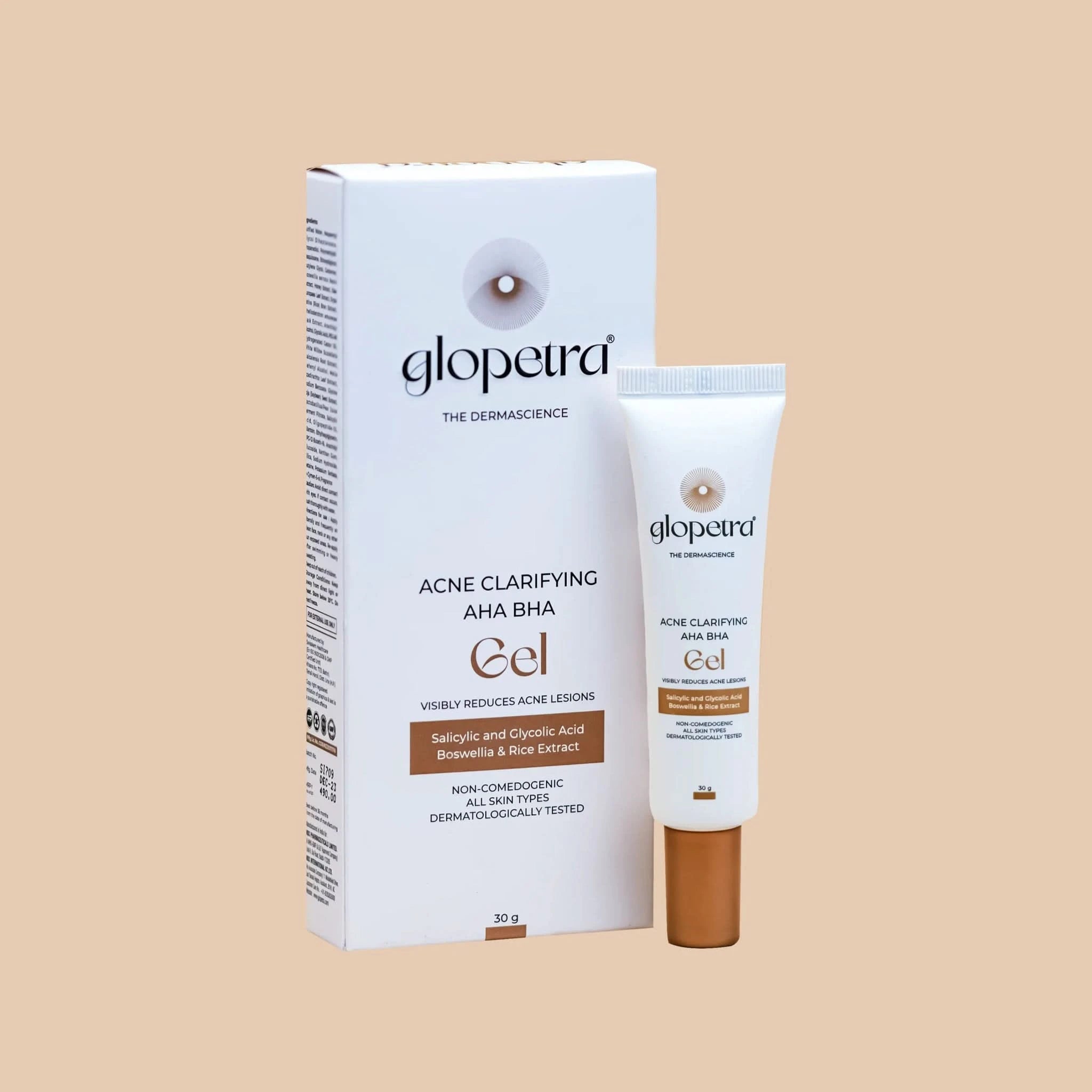
How to Create an Anti-Acne Routine Without Over-Drying Your Skin?
To create an anti-acne daily routine without over-drying your skin is very challenging. You need plenty of patience and understanding of what your skin requires. All over the world, many people are struggling with acne because it causes different types of lesions, including small pimples on the face, blackheads, whiteheads, and even cysts.
Due to countless products, trending ingredients, different online advice, etc., you are not always correct about what actually helps you to reduce acne or what may increase it. But, we help patients of all ages to create an anti-acne routine that is effective, realistic, and tailored to every skin's needs. In this guide, you will understand how to create an acne-fighting skincare routine step-by-step without damaging your skin.
What Causes Acne?
Acne is caused when your pores get clogged with acne-causing bacteria, with dead skin, and with excess oil. According to dermatologist Mohon Gohora, every person's skin has the same hormonal fluctuations, oil production, and acne-causing bacteria, which may cause a huge breakout at any time. But some people's oil glands are more sensitive based on their genetics, which causes more frequent inflammation and breakouts.
Do You Know Why Acne Treatment Dries Your Skin?
Because many acne treatment ingredients work by
- Removing excess oil from your skin.
- Killing acne-causing bacteria on your skin.
- Exfoliating dead skin cells from the body.
- Damage the skin barriers, which protect your skin from pollution, bacteria, and moisture loss.
These procedures are effective for acne treatment, but they can also remove some of your natural skin moisture. That's why acne treatment dries your skin.
What Common Mistakes Should You Avoid When Treating Acne?
To make a good anti-acne routine, it is most important to know what you avoid as well as what you apply. Unfortunately, many people make acne worse by doing these bad habits:
- Overwashing your skin to reduce the production of natural oil, but causing increased oil production.
- Harsh physical scrubs that irritate active breakouts.
- Mixing too many active ingredients without understanding their compatibility.
- Skipping sunscreen, which worsens post-acne pigmentation.
- Picking at pimples that cause deep infection and scars.
How Can You Create a Daily Routine for Acne-Prone Skin?
You know that consistency matters more than complexity. A simple, well-structured daily routine can give better results than using too many products.
- Use morning cleanser and prep routine:
Your cleanser sets are the foundation of your routine. Always start your day by cleansing your skin with a gentle, non-comedogenic cleanser, which removes nighttime oil and prepares your skin for the day. Look for cleansers that are manufactured for acne-prone skin, which remove oil without stripping moisture from the skin.
- Use lightweight serums and treatments for acne:
Morning treatment should be light and targeted. Use ingredients such as niacinamide serum or low-strength salicylic acid, which help to regulate natural oil production and reduce redness without overwhelming the skin.
- Use moisturizers for oily and acne-prone skin:
People make a common mistake by skipping moisturizer. Because they don't know that dehydrated skin produces more oil that may lead to more breakouts in the skin. You must choose oil-free, non-comedogenic moisturizers that are especially designed for acne-prone skin.
- Sunscreen selection for acne-prone skin:
Using sunscreen daily in the morning is essential in any skincare routine for oily, acne-prone skin. It helps to prevent dark spots in skin and protect your skin's barrier from UV and blue-light damage. Use broad-spectrum SPF 30 or higher, which is oil-free and non-comedogenic. Gel sunscreen works best for acne-prone skin.
What Weekly Treatments Can Support Your Anti-Acne Routine?
Some small changes in your daily habits may significantly improve your acne management routine:
- Change your pillowcases every 3 days.
- Weekly, clean your makeup brushes.
- Reduce heavy makeup during your acne days.
- Avoid touching your face throughout the day.
- Stay consistent; an acne routine takes 6-12 weeks to give results.
What Ingredients Should You Avoid If Your Skin Gets Dry Easily?
If you overuse some ingredients, that worsens dryness in your skin. So be careful with:
- Ingredients with high alcohol formulas.
- Strong physical scrubs on the skin.
- Overuse of benzoyl peroxide on the skin.
- An ingredient with a high percentage of glycolic acid.
Conclusion:
Creating an anti-acne routine without over-drying your skin is all about balancing your skin using products. While focusing on gentle cleansing, targeted treatment, and consistent hydration. You cannot control acne by only protecting the skin barrier. You also need to keep your skin healthy, smooth, and glowing. The main thing is choosing the right products, which are verified by science to support the skin barrier and manage oil and clogged pores without overloading your skin. If you follow these steps with consistency, your skin can become smooth and predictable over time.
FAQs About Creating an Anti-Acne Routine Without Over-Drying Skin:
Q.1 How long does it take to see results from an acne skincare routine?
Ans: If you follow an acne skincare routine with consistency, then most of the routine takes 6-8 weeks to show improvement.
Q.2 Can acne treatments cause more breakouts at first?
Ans: Yes, if you are treating acne with some ingredient like retinoids and salicylic acid, then it can cause purging for a few weeks as clogged pores clear out.
Q.3 Should I exfoliate if I have sensitive, acne-prone skin?
Ans: Yes, you can exfoliate if you have sensitive, acne-prone skin, but very gently and less frequently. It helps you to remove dead skin cells that clog pores without irritating your skin barrier.
Q.4 Are any natural or DIY remedies safe for acne-prone skin?
Ans: Yes, some natural or DIY ingredients like aloe vera, honey, or diluted tea tree oil may help you, but some ingredients like lemon juice, baking soda, or toothpaste can irritate your skin and damage it.