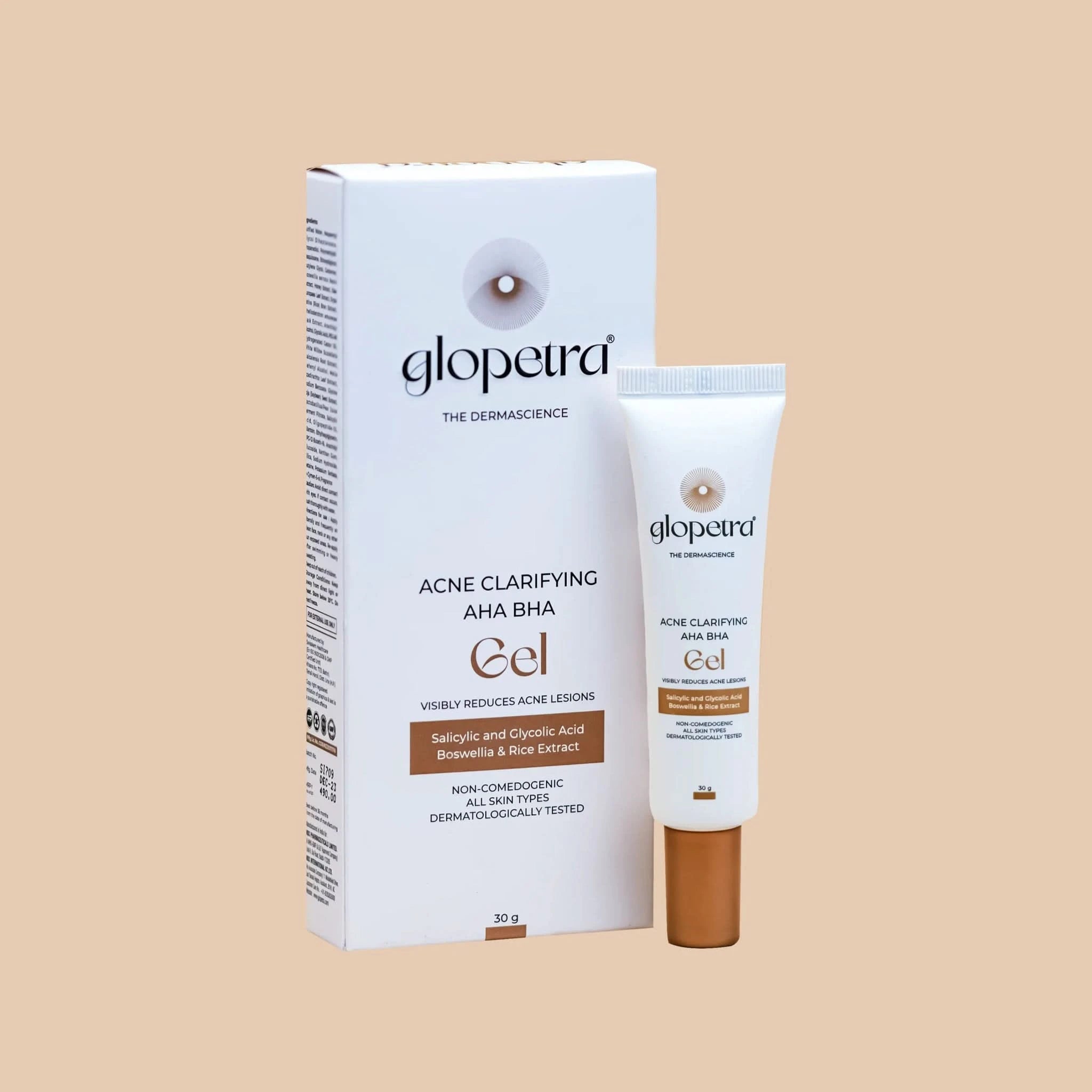
Layering Acids Safely: Using Salicylic Acid with AHAs Without Damaging Your Skin Barrier
Chemical exfoliation has transformed modern skincare, offering smoother texture, brighter tone, and clearer pores when used correctly. Among the most popular exfoliating ingredients are salicylic acid (BHA) and alpha hydroxy acids (AHAs) like glycolic acid and lactic acid. Individually, these acids can be powerful tools—but when layered improperly, they can compromise your skin barrier, leading to irritation, breakouts, and sensitivity. This guide explains how to use salicylic acid with AHAs safely, who should layer them, who should avoid it, and how to protect your skin barrier while still getting results.
Understanding the Acids: AHA vs BHA
Before layering acids, it’s essential to understand how they work.
What Are AHAs?
Alpha hydroxy acids are water-soluble exfoliants that work on the skin’s surface. Common AHAs include:
- Glycolic acid
- Lactic acid
- Mandelic acid
Benefits of AHAs:
- Improve skin texture and smoothness
- Brighten dull skin
- Fade dark spots and hyperpigmentation
- Stimulate collagen production
AHAs are especially beneficial for dry, sun-damaged, or uneven skin.
What Is Salicylic Acid?
Salicylic acid is a beta hydroxy acid (BHA) that is oil-soluble, allowing it to penetrate deep into pores.
Benefits of salicylic acid:
- Unclogs pores
- Reduces acne and blackheads
- Calms inflammation
- Controls excess oil
Salicylic acid is ideal for oily, acne-prone, and congested skin.
Can You Use Salicylic Acid and AHAs Together?

Yes—but only with caution.
Layering salicylic acid with AHAs can deliver impressive results by exfoliating both the surface and inside the pores. However, combining them incorrectly or too frequently can over-exfoliate, weakening the skin barrier.
Potential risks include:
- Redness and stinging
- Dryness and flaking
- Increased sensitivity
- Breakouts caused by barrier damage
The key is strategy, spacing, and moderation.
Signs Your Skin Barrier Is Compromised
Before layering acids, know the warning signs of barrier damage:
- Persistent tightness
- Burning or stinging when applying products
- Sudden acne flare-ups
- Increased redness or itching
- Products that previously worked now cause irritation
If you experience these symptoms, stop exfoliating and focus on barrier repair.
How to Layer Salicylic Acid and AHAs Safely?
1. Do Not Use Them at the Same Time (Initially)
For most skin types, applying AHA and BHA in the same routine is too aggressive. Instead:
- Use salicylic acid in the morning
- Use AHAs at night
Or alternate days entirely.
2. Start With Low Concentrations
Begin with:
- Salicylic acid: 5%–2%
- AHAs: 5%–8% (especially if new to acids)
Higher concentrations should only be used by experienced users with resilient skin.
3. Limit Frequency
A safe beginner schedule:
- Salicylic acid: 2–3 times per week
- AHAs: 1–2 times per week
Never use both daily unless advised by a dermatologist.
4. Apply Based on pH and Texture
When layering in the same routine (advanced users only):
- Cleanse
- Apply the lower-pH exfoliant first (usually salicylic acid)
- Wait 20–30 minutes
- Apply the AHA
- Follow with hydrating and soothing products
This waiting time reduces irritation and improves effectiveness.
Always Follow With Barrier-Supporting Products

Exfoliation must be balanced with hydration and repair.
Look for ingredients like:
- Ceramides
- Niacinamide (low concentration)
- Hyaluronic acid
- Panthenol
- Centella asiatica
Avoid combining acids with:
- Retinoids
- Benzoyl peroxide
- Vitamin C (L-ascorbic acid)
in the same routine.
Sunscreen Is Non-Negotiable
Both AHAs and salicylic acid increase sun sensitivity. Without sunscreen, you risk:
- Hyperpigmentation
- Sun damage
- Premature aging
Use a broad-spectrum SPF 30 or higher daily, even on cloudy days.
Who Should Avoid Layering Acids?
You should avoid combining salicylic acid and AHAs if you have:
- Very sensitive skin
- Rosacea or eczema
- A damaged or compromised barrier
- Recently had a chemical peel or laser treatment
In these cases, choose one exfoliant only and use it sparingly.
Benefits of Proper Acid Layering
When done correctly, layering acids can:
- Clear pores and reduce acne
- Smooth rough texture
- Brighten skin tone
- Improve product absorption
- Enhance overall skin clarity
Patience and consistency matter more than intensity.
FAQs: Layering Salicylic Acid and AHAs Safely
1. Can I use salicylic acid and glycolic acid together?
Yes, but not in the same routine for most people. Alternate days or use one in the morning and one at night to reduce irritation.
2. How long should I wait between applying AHA and BHA?
If layering in the same routine, wait 20–30 minutes between acids. This allows the first acid to work without interference.
3. Is it safe to use salicylic acid every day?
Daily use may be safe for oily, acne-prone skin, but only at low concentrations. If also using AHAs, reduce frequency.
4. Can beginners layer acids?
Beginners should not layer acids immediately. Start with one exfoliant for 3–4 weeks before introducing another.
5. What should I do if my skin starts peeling?
Stop all exfoliating acids and focus on barrier repair using gentle cleansers, moisturizers, and soothing ingredients.
6. Can I use niacinamide with AHAs and salicylic acid?
Yes, niacinamide helps strengthen the skin barrier and reduce irritation. Keep it at 5% or lower if skin is sensitive.
7. Should I exfoliate in the morning or at night?
Nighttime is preferred for AHAs. Salicylic acid can be used in the morning if followed by sunscreen.
8. How long does it take to see results?
Most people notice improvements in texture and clarity within 2–4 weeks when acids are used consistently and safely.
9. Can layering acids cause purging?
Yes, mild purging is possible, especially with salicylic acid. Purging should resolve within 4–6 weeks.
10. Is it better to alternate days or routines?
For most skin types, alternating days is the safest and most effective approach.
Final Thoughts
Layering salicylic acid with AHAs can be highly effective—but only when done thoughtfully. Respect your skin barrier, start slow, and prioritize hydration and sun protection. In skincare, more is not always better, and healthy skin always comes from balance.