Skincare Routine for Humid Indian Summers vs. Dry Winters: A Complete Switch Guide
If you notice an undesired change in your skin tone or rashes on your skin, what’s your immediate reaction? Of course, you begin looking for the reason! You might blame it on lack of sleep, stress, or your beauty products. But when your skin has the same issues for a particular weather, your culprit is likely to be seasonal changes. One change entirely out of control is the natural change of seasons. And this change brings up a whole lot of issues in your skin. Environmental conditions like air quality, sun exposure, temperature, humidity, wind, rain, and snow affect your skin texture the same as your internal health.
Taking care of your skin is necessary for more than just appearances. Your skin, as the largest organ in your body, is vital to your overall health. This is why a well thought out skin care routine is essential. From preventing uneven skin appearance to pampering yourself with me time, caring for your skin is well worth the time and effort.
But first you need to understand how the change in each season, namely summer and winter, affects your skin and how you should deal with those changes.
How Does Sultry Summer Affect Your Skin?
Summers are a tropical paradise with loose clothes, cool drinks and sunny mornings. But, summer becomes unbearable as the temperature rises. While your body is trained to fight the heat and stay cool, your delicate skin requires the same care.
Heat rashes and acne:
Do you feel the constant need to itch? Your skin becomes irritated due to various factors during the summer. Sweating, along with the heat, puts a lot of pressure on your skin. This sweat attracts dust and grime to your skin and can clog the skin's pores. The combination of dirt and heat causes itchy rashes, blisters, small bumps, or acne. Furthermore, tight clothing can aggravate irritability due to friction.
Sunburns:
Have trouble with burning red patches on all your skin? The summer sun is known to be so harsh that it can scorch your skin, causing painful blisters and inflammations that burn. If your skin type is sensitive, you are more vulnerable to skin damage from the hot sun. Sunburns also raise the chances of developing wrinkles, skin cancer, brown spots, and freckles. Furthermore, the skin may appear swollen.
Tanning:
If you have noticed your feet or hands getting darker in complexion during the summer season, you are getting a tan. This is because when exposed to the sun's UV rays, your skin's melanin reacts by forming a protective shield. This melanin results in dark pigmentation, either uniformly or in patches on your skin. Usually, your fairer skin may turn pink or red, but if you have darker skin tones, your skin may become darker. Also, if you are among people who have medium to dark complexions, you are generally less sensitive to UV exposure than lighter skin tone. But, you can still develop malignancies from other skin damages.

Suggestions To Follow During Summers
Now that you are aware of the possible skin issues that may plague you during this sultry season, you must pay heed to the following suggestions for healthy skin:
You can prevent irritating rashes, blisters and bumps by keeping yourself squeaky clean, especially if you sweat a lot. So, start your day on a refreshing note by taking a shower with amazing cooling ingredients like menthol, a natural ingredient in peppermints. Help yourself with shower gels that wards off germs with menthol crystals and natural peppermint extracts, boosting the skin with a cooling sensation.
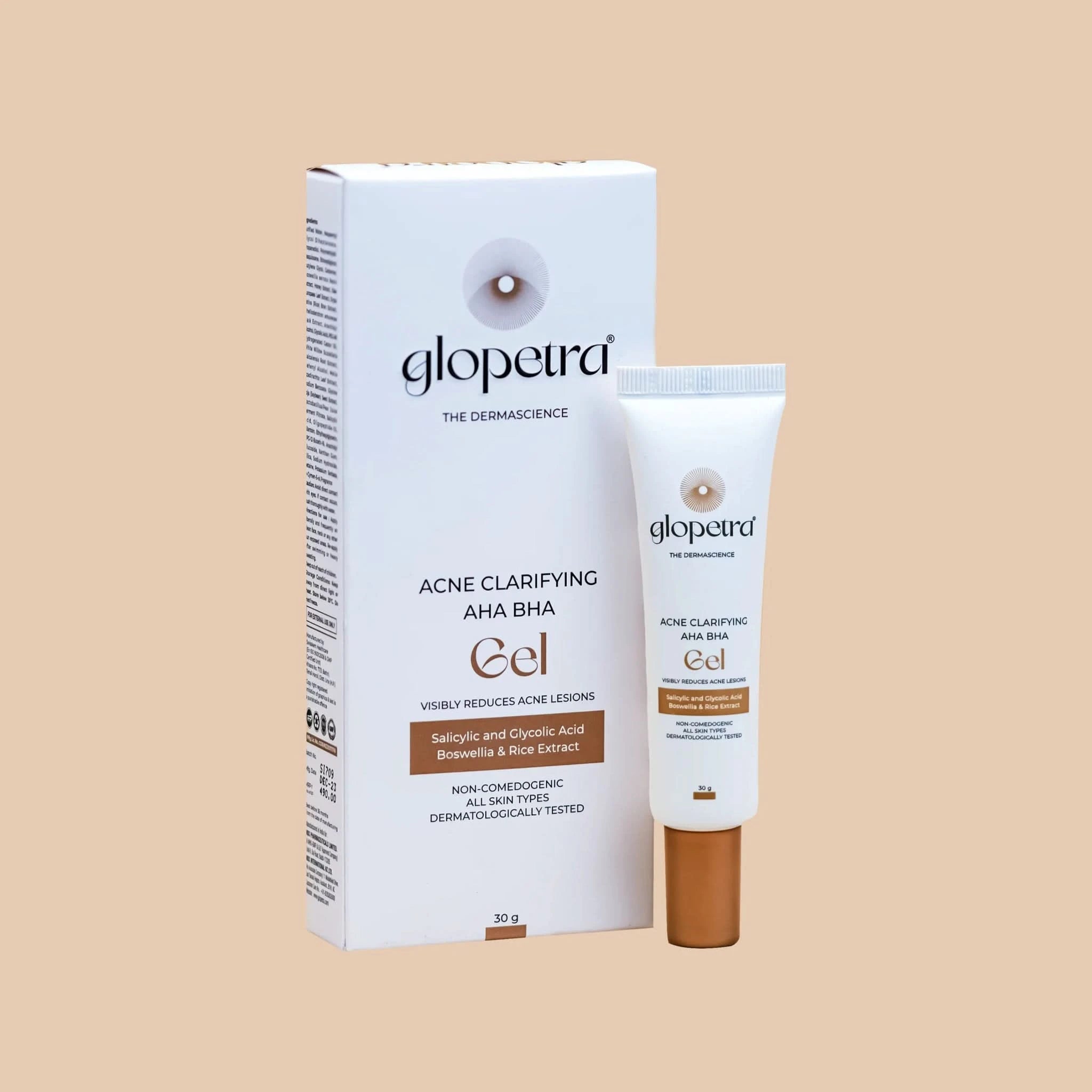
Your acne breakouts can hurt due to excess sebum production, making your skin clammy/oily and dull. For a fresh and smooth appearance, wash your face with lukewarm water and a mild face wash like Glopetra Face Wash for Acne Scars & Spots, preferably with natural rose-based extracts. Scrubbing with harsh motions is a no-no as it leaves acne scars. Instead, remember to apply gentle motion to remove make-up and dirt.
Rationally, the only way to protect your skin from sunburns and tanning is to limit your exposure to the sun. But, if you are somebody who often steps out, Glopetra’s Ultra Matte Dry Touch sunscreen is your holy religion. The complex ingredients in sunscreen react with radiation before it penetrates the skin, absorbing the rays and releasing the energy as heat. Apply a sunblock cream of at least 30 SPF with a soothing aloe vera base liberally all over your neck, arms and face at least 20 minutes before stepping out. Then, ensure you re-apply every four to five hours for continuous protection. It is also advisable for people with sensitive skin to dress in a way that their skin is not exposed to the sun during the day.
You can experiment with loose-fitting clothes and fabrics like cotton to avoid friction on your skin. However, if any conditions persist longer, immediately consult your dermatitis specialist.
How Will Dry Winter Chills Influence Your Skin?
At last winters! While winter treats you with cold breezes, snowfall, and cosy nights, it also comes with dry, itchy, and flaky skin. So if you dread the winter months, pay attention to these skin issues:
Chafing
Chafing is a common skin condition caused by a combination of factors such as fabric friction against your skin and moisture loss from your skin. This damages and exposes your lower skin layer, making you feel extremely uncomfortable and irritated. If your rashes by chafing are severe and are not treated immediately, they can cause swelling, bleeding, and crusting of the chafed skin.
Chapped Lips
It's no surprise that winter causes chapped lips. In winters, the combination of cold air and chilling wind outside, dry- heated air inside with very little humidity— all conspire to make your lips dry and tight.
Cracked heels
In the winter, painful, cracked heels are a common skin condition. They are often caused by dry skin as loss of moisture causes your outer layer of skin to harden, making your walk painful.

Guidance To Follow During Winters
With these useful guidances, learn to take care of your dry skin during harsh winters:
If you have chafed skin or any other kind of irritation, ensure to keep the area clean by taking a shower once a day, at least in lukewarm water. It is tempting for you to take hot showers during winters, but it is wise to use lukewarm water as hot water strips your skin of all the essential oils. You can opt for more moisturising shower gels that offer you the perfect hydration for your skin.
On the contrary to most of your skin, your lips are very thin and delicate. Use a lip balm that's ointment-based to heal your cracks throughout the day. Look for healing ointments that contain essential oils or glycerin.
You need to exfoliate your affected region with a pumice stone to gently scrub off the dead cells for cracked heels. Then, moisturise your feet using natural oils or creams for healing and smooth skin.
So these are some of the skin issues you can encounter as the earth turns the clock around the sun. But, even the most dedicated skincare routine will fall short if these lifestyle factors are at an excessive imbalance.
Right Lifestyle For Healthy Skin
These are the things that you still have control over, unlike weather changes:
- Having the right diet comprising both your nutritional and liquid intake affects your internal health, in turn affecting your skin.
- You need to have proper and regular personal hygiene that protects you from several skin infections.
- Your exercise levels regulate your skin by increasing blood circulation.
- You must learn about your skin type and choose your products like cleansers and moisturisers that are skin-friendly.
- Your medications, along with your health conditions like diabetes, can cause skin concerns. Please see your dermatologist regularly.
- Sleep deprivation can cause decreased blood flow to your skin. Ensure to complete recommended sleep hours for lively skin.
So now that you know how your seasonal changes affect your skin, pause for a break and incorporate these suggestions in your ultimate skin care routine for an ever-ready beautiful and radiant look.
Frequently Asked Questions
What is the 4 2 4 rule in skincare?
The 4-2-4 rule in skincare is a detailed, 10-minute Japanese double-cleansing method focusing on thoroughness: 4 minutes massaging with an oil-based cleanser to break down makeup/impurities, followed by 2 minutes with a water-based (foam/gel) cleanser for a deep clean, and a final 4 minutes rinsing thoroughly with lukewarm water to ensure no residue is left, leaving skin perfectly clean, balanced, and prepped for the rest of your routine.
Is your skincare different in winter compared to summer?
The main difference between a summer and winter skin care routine is that skin tends to get a little drier in winter, so your skin may be calling out for comforting, richer textures. This is because winter's cooler weather and temperature changes – cold outside, hot and dry inside – can be pretty hard on the skin.
What climate is worst for acne?
In hot and humid climates, sweat production increases, which can lead to clogged pores. The combination of sweat, oil, and bacteria creates a breeding ground for acne, especially on the face, back, and chest.
Why do I have a lot of tiny bumps on my face?
Lots of tiny bumps on the face often signal common issues like clogged pores (blackheads/whiteheads), acne (papules), keratosis pilaris, or milia, caused by oil, dead skin, genetics, hormones, or product buildup, but could also be fungal acne, eczema, or allergic reactions, requiring different care, so identifying the type (red, white, itchy, rough) helps determine if you need a dermatologist or simple skincare changes like gentle exfoliation and non-comedogenic products