The Role of Ceramides in Strengthening Your Skin Barrier
The Role of Ceramides in Strengthening Your Skin Barrier- Alright, so let’s speak about something your skin silently begs for but doesn’t get much credit for: ceramides. For those who have been in the skincare grind for a long period, you must have come across these little heroes in several products. But what exactly are these ceramides? Why are they so important? And how do they work to ensure that you don’t have a hot mess out of your skin? Don’t worry, you are covered. Let’s unpick it.
What Are Ceramides, Anyway?
Think of ceramides as your skin's bodyguard. These are fats or lipids naturally hanging out in the skin, in the outermost layer called the stratum corneum. Their job is to keep everything together and form a solid barrier that protects your skin from all the external menaces—pollution, germs, UV rays, and so on. If you didn't have any ceramides, your skin would be more exposed than a phone with no case.

This "skin barrier" doesn't just make you look cute; it's meant to retain moisture in and the yucky stuff out. Ceramides basically "glue" skin cells together. Your skin is like a brick wall with ceramides being the mortar that keeps it all tight and together. When ceramides are balanced, your skin will be hydrated, smooth, and protected. Stuff gets messy when they get out of balance.
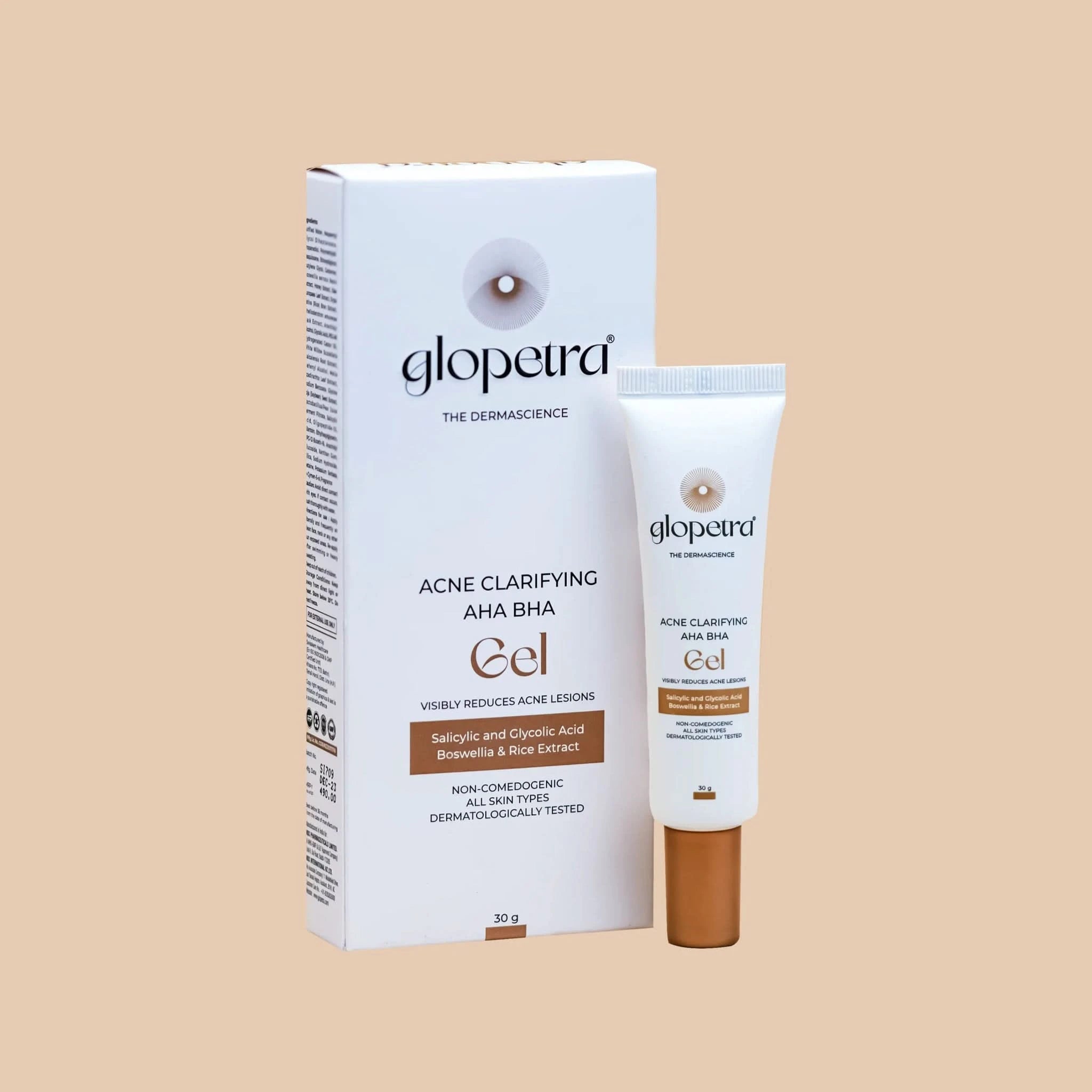
Recommendation: Try Gloptra 's Niacimaide and Ceramide moisturiser for better results.

Why Ceramides Matter for Your Skin Barrier
Okay, so why should you care about ceramides? Simple: they're the real MVP in keeping your skin from acting up. If your ceramide levels are low, your skin barrier can get weak, and that opens the door for all kinds of drama - think dryness, irritation, redness, and just straight-up rough patches. Here's why that happens:
- Dry Skin Central: Without these ceramides, your skin simply cannot function to retain the moisture. So, it will be flaky, tight, and look needy for hydration.
- Sensitive Skin Vibes: Once the barrier is compromised, all sorts of irritants and allergens come a-calling, and your face goes into full-on reactive mode. Redness, itching, even breakouts can pop off because, well, defenses are down.
How Ceramides Help Enhance Your Skin Barrier (And Keep You Glowing)
The ceramides: basically, the unsung heroes of skincare. They protect your skin from being completely wretched on you and falling apart. But how do they do that?
- Lock in Moisture: Ceramides function to prevent moisture loss by creating a barrier on the skin surface. Think about it as your hydration bodyguard. With ceramides on the job, your skin stays plump, hydrated, and far from dry.
- Repair & Restore: And that's it-your skin has been tossed around the ringer (harsh weather, over-exfoliating, not-so-great skincare choices), and ceramides can repair and restore the barrier. Fill in that lost lipids gets your skin back in the game.
- Lock Out the Bad Stuff: Ceramides help prevent moisture from escaping, too, and they keep things from coming in from the outside. Since even pollutants, bacteria, and UV radiation can harm your skin, a good ceramide barrier has got your back.
- Chill Out Inflammation: Who hasn't suffered through the torture of inflammation on the skin? Ceramides can help soothe irritation and keep inflammation well in hand so you don't have to go out there looking like a tomato.
How to Add Ceramides to Your Skincare Routine Without the Fuss
Well, are you ready to give your skin the ceramide boost it's been begging for? Here's how to add these bad boys into your routine and get that healthy glow back:
- Choose the Right Product: Look for skincare products that include ceramides within the ingredient list. You'll find them in everything from moisturizers to serums to cleansers. The most common you will see are Ceramide NP, AP, and EOP, and these all do a great job with the task of protecting and hydrating.
- Layer Like a Pro: If you're using ceramide as a serum and moisturizer, apply the serum first to clean, damp skin. Then use the moisturizer to seal it all in and lock your skin in with hydration.
- You should not skip sunscreen: Ceramides work hard, but it's still impossible to battle UV rays. You have to put on that sunscreen every day to avoid sun damage on the skin. Ceramides assist the barrier in staying intact, but you still need to have that sunscreen-shielding SPF to keep things fresh.
- Stick With It: Like all skincare ingredients, the key is consistency. Stick to using ceramide products regularly, and your skin will thank you with fewer lines, wrinkles, and a whole lot fewer red splotches.
Conclusion: Ceramides Are Your Skin's Best Friend
Ceramides are the ultimate ride-or-die for your skin game: they hydrate, protect, and keep your skin hydrated and looking amazingly beautiful by fortifying that all-important skin barrier. Dry patches, redness, or you just need your skin to chill out and behave - then, honey, ceramides have your back. So when haven't you started using ceramides? Now is the time to bring them into your daily routine. Your skin will thank you, and you can bet you'll glow all day long.
Faqs about The Role of Ceramides in Strengthening Your Skin Barrier-
1. What are ceramides?
A ceramide is a natural lipid in the skin that creates the skin barrier, retains moisture in, and keeps harmful elements out.
2. How do ceramides work on the skin?
They glue skin cells together, maintain hydration, and protect against environmental damage.
3. Why are ceramides important?
They help strengthen the skin barrier to prevent dryness, irritation, and external aggressors.
4. Can ceramides help with dry skin?
That means ceramides also lock in moisture, preventing water from leaving the skin which keeps the skin hydrated.