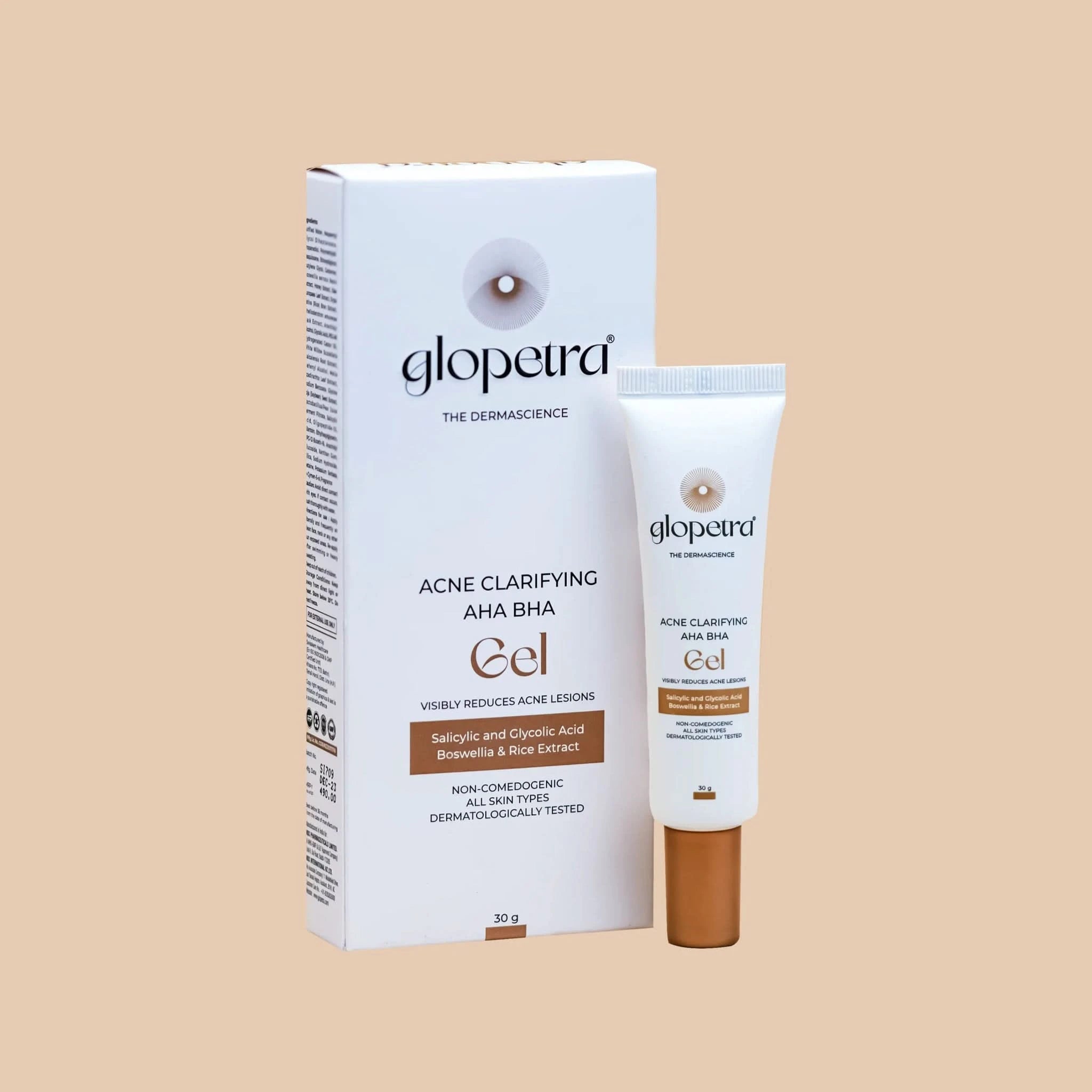
The Science Behind Salicylic Acid: A Miracle Ingredient for Acne and Pimple-Free Skin
The Science Behind Salicylic Acid: A Miracle Ingredient for Acne and Pimple-Free Skin -
Are you experiencing skin concerns such as acne and pimples and looking for a reliable and effective product to treat these concerns? One key ingredient for acne and pimples is salicylic acid, a powerful ingredient that specifically treats acne and pimples. Here, we will provide you with a proper guide on The Science Behind Salicylic Acid: A Miracle Ingredient for Acne and Pimple-Free Skin. To learn more details, stay tuned!
Understanding Salicylic Acid
Salicylic acid is a beta-hydroxy acid (BHA), known as the skincare industry's powerhouse ingredient. Here are some of the key features of salicylic acid:
Preventing Future Breakouts
Regular use of salicylic acid not only treats existing acne but also prevents future breakouts.
Enhancing Penetration of Other Products
When used as part of a skincare routine, it can enhance the penetration of other skincare products. It enhances the absorption of other products more effectively by clearing pores & exfoliating the skin.
Deep Pore Cleansing
With its deep pore cleaning, salicylic acid penetrates the surface of the skin and dissolves the debris that clogs pores. It helps to reduce existing acne and also prevents new blemishes.
Exfoliation
Exfoliation is one of the superpowers of salicylic acid; it gently exfoliates the skin, promoting the shedding of dead skin cells, unlike physical exfoliants that can sometimes be harsh. This results in making the skin brighter and provides a smoother complexion.
Safe for Long-Term Use
Lastly, when used correctly, it is safe for long-term use. This means you can incorporate it into your daily skincare routine without worrying about adverse long-term effects, making it a dependable ally in your skincare arsenal.
Anti-inflammatory Properties
Salicylic acid helps in reducing the redness and swelling associated with acne, making it a top choice for those with inflammatory skin issues.
Targeting Acne at its Root
Salicylic acid specifically redcues acne by dissolving the type of skin debris that clogs pores and causes acne. This makes it a more effective long-term solution compared to treatments that only tackle surface-level symptoms.

The Benefits of Salicylic Acid in Your Daily Skincare
There are several key benefits of adding salicylic acid to your regular skincare routine, which include:
Reducing Signs of Aging: With its ability to promote exfoliation aids, it reduces the appearance of fine lines and wrinkles, contributing to a more youthful and vibrant skin texture.
Effective Acne Treatment: It is widely known for its effectiveness in treating and preventing acne. By penetrating deeply into the pores, it helps dissolve the debris that causes acne, this makes it a suitable solution for those battling persistent pimples and blackheads.
Enhanced Skin Absorption: By exfoliating the skin and removing dead skin cells, it can improve the absorption of other skincare products. This means that the rest of your skincare routine can work more effectively, yielding better results.
Minimizing Pores and Improving Skin Appearance: Regular use can lead to visibly minimized pores, as it helps to keep them clear of debris. This leads to a smoother skin appearance and reduces the likelihood of future acne breakouts.
Anti-Inflammatory and Soothing Effects: Notably, it possesses anti-inflammatory properties, which are essential in reducing the redness and swelling often associated with acne and other skin irritations. This makes it a soothing ingredient, particularly for those with inflamed or sensitive skin.
Side Effects of Salicylic Acid
Although salicylic acid does not cause any side effects, in some cases, it may cause skin irritation and may also remove too much oil, causing dryness and potential irritation. Some potential side effects of salicylic acid are:
- skin tingling or stinging
- itching
- peeling skin
- hives
How to Incorporate Salicylic Acid for Maximum Results
Incorporating salicylic acid into your daily skincare routine can be transformative. Are you seeking clear and even skin? Then you should opt for an effective anti-aging formulation with quality ingredients, including salicylic acid, for treating all your skin concerns. By using it consistently and in the appropriate concentration, you can achieve healthier and radiant skin.
- Based on your skin type, opt for cleansers, toners, serums, or spot treatments.
- Start slowly by using it 2-3 times a week with a low concentration to prevent irritation & side effects.
- Apply after cleansing and before moisturizing for best absorption.
- Pair with a moisturizer to prevent dryness.
- As salicylic acid increases sun sensitivity, protect skin with SPF 30+.
- Too much use of salicylic acid can cause dryness and irritation.
Frequently Asked Questions About How Salicylic Acid is a Miracle Ingredient for Acne and Pimple-Free Skin
Question 1. How often should you use salicylic acid for acne treatment?
Answer. For treating acne, you should use salicylic acid products once or twice a day and consider factors such as skin tolerance, skin type, etc.
Question 2. Is salicylic acid safe for sensitive skin?
Answer. Yes, salicylic acid is safe for sensitive skin when used appropriately.
Question 3. Should you apply moisturizer after using salicylic acid?
Answer. Yes, you should apply a moisturizer after using salicylic acid, because it might reduce excess oil making your skin dry and moisturizers can help to prevent dryness and irritation.